
Warmer floors in winter
Insulation under the floorboards reduces the chill that rises through gaps, making rooms feel warmer at floor level. This is especially noticeable in living areas and bedrooms over a subfloor.
Clayton South
Underfloor insulation installed under suspended timber floors in Clayton South stops cold draughts through floorboards and keeps your home warmer in winter.
Share your details and Expert Insulation Melbourne will contact you about Underfloor Insulation in Clayton South.
Clayton South homes with suspended timber floors often suffer from cold floors and draughts rising through gaps in the floorboards. Underfloor insulation is fitted between the floor joists from the subfloor, blocking air movement and improving thermal resistance. This is a practical upgrade for older brick and weatherboard houses common in the area, where the crawl space allows access for installation.
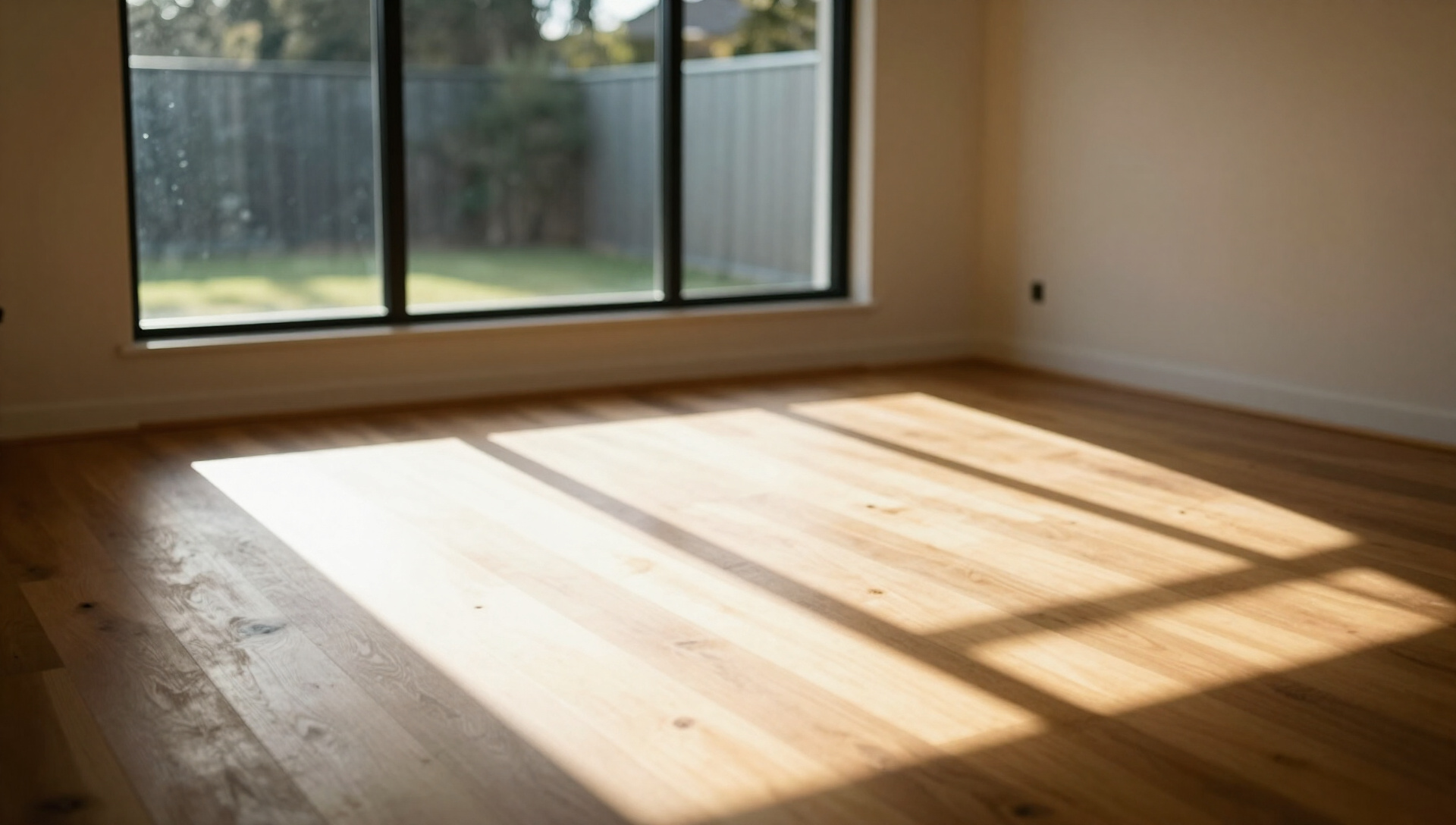
Melbourne’s cold winters make uninsulated floors uncomfortable and force heaters to work harder. Underfloor insulation in Clayton South addresses the specific issues of suspended timber floors, delivering measurable comfort and efficiency gains.
Insulation under the floorboards reduces the chill that rises through gaps, making rooms feel warmer at floor level. This is especially noticeable in living areas and bedrooms over a subfloor.
By stopping cold air entering from below, your heater retains more warmth inside the home. This can reduce the time it runs and the energy it uses during Clayton South winters.
Older homes often have gaps between floorboards that let cold air in. Underfloor insulation blocks this airflow, making the house feel less drafty without sealing the floor itself.
While the main benefit is winter warmth, the insulation also helps moderate temperature swings, keeping floors less cold in summer mornings and evenings.
Quality underfloor batts include a vapour barrier to reduce moisture rising from the ground, which helps prevent condensation and musty smells under the house.
The work is done from the subfloor through access points, so there is no need to remove floor coverings or disturb the living areas above.
Installing underfloor insulation requires access to the subfloor, which is typically through a hatch or by lifting sections of the floor. The process is straightforward when there is enough crawl space and no obstructions.
We check the subfloor for adequate height, obstructions like pipes or wiring, and signs of moisture or pest damage. Access is usually via an existing hatch or by creating a temporary opening.
Batts are measured to fit snugly between the floor joists without compressing. Glasswool, polyester or rockwool are common choices, with R-values typically between R1.5 and R2.5 for underfloor applications.
The batts are friction-fitted between the joists and held in place by the springiness of the material. They are installed continuously along the subfloor, with no gaps that would allow draughts.
Any gaps around pipes or cables are sealed with appropriate materials to maintain the thermal barrier. The area is left clean, and access points are restored.
Clayton South has a mix of postwar brick homes and older weatherboard houses, many with suspended timber floors that benefit from underfloor insulation. The suburb’s proximity to Clayton and Monash University means many homes are older and can feel cold in winter without proper insulation. Underfloor insulation is a cost-effective way to improve comfort in these properties without major renovations.
Stop cold floors and draughts in Clayton South with underfloor insulation installed under suspended timber floors.
Homeowners in Clayton South often have questions about how underfloor insulation works, what it costs and whether their home is suitable. Here are the most common queries.
Underfloor insulation in Clayton South targets the cold draughts and heat loss that occur through suspended timber floors. Many homes in the area were built with minimal or no insulation under the floor, leading to cold floors and higher heating costs. Installing batts between the floor joists from the subfloor blocks air movement and improves thermal resistance, making rooms more comfortable and reducing energy use.
The process begins with a subfloor inspection to confirm access and check for moisture or pest issues. Batts are then cut to size and friction-fitted between the joists, with typical R-values ranging from R1.5 to R2.5. Materials like glasswool, polyester and rockwool are all suitable for underfloor use, provided they are installed correctly without compression or gaps. The work is non-invasive, with no need to remove floor coverings or disturb the living areas.
Clayton South’s mix of older brick and weatherboard homes often have sufficient crawl space for installation. The main requirements are adequate height under the floor and clear access. If old insulation is present and appears damaged or contaminated, work stops until it is assessed. Once installed, underfloor insulation delivers warmer floors, fewer draughts and lower heating bills, making it a practical upgrade for Clayton South properties.
Improve comfort and reduce heating costs with underfloor insulation installed by Expert Insulation Melbourne. We service Clayton South and surrounding suburbs.